Ensure Quality Control in SMT Assembly
Surface mount technology (SMT) is one of the most widely used assembly techniques for PCBs. It is used in high-volume consumer electronics products and industrial applications, such as telecommunications, aerospace and automotive. However, it can be challenging to ensure quality control in SMT assembly because the process is highly automated and requires close monitoring. Fortunately, there are many ways to improve the manufacturing process and reduce defects. The following are some of the most important:
The quality of SMT PCB assembly is greatly dependent on the solder paste printing and component placement. Incorrect or uncontrolled solder paste printing can lead to the production of a defective board that will result in product failure. Therefore, it is essential that manufacturers employ rigorous inspection methods during the three main stages of SMT production – solder paste printing, component placement and reflow soldering.
The top defect in SMT assembly is reflow soldering, which is caused by small metallic particles on the device surface. These can cause IC shorts, which will directly lead to assembly failure. Several factors can contribute to this defect, including inappropriate soldering temperature setting and surface cleanliness. To avoid these defects, it is necessary to strictly monitor and control the temperature settings and quality of soldering materials.
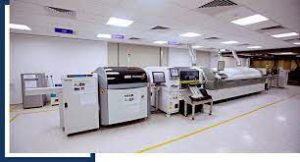
How to Ensure Quality Control in SMT Assembly
During the smt assembly process, components are placed on the PCB by using an automation machine called a pick and place robot. The robot can be programmed to precisely pick up the desired components and place them where they need to be on the circuit board. This method of assembly is much faster and more accurate than manual assembly. Unfortunately, there are still several problems that can occur during this process, such as misplacement, bridging, and a lack of weld coverage. To prevent these errors, manufacturers should carefully inspect and service the pick and place machines in between each step of assembly.
After the chip mounting stage, a final visual inspection is performed on the PCB before it goes through the reflow soldering stage. This is usually performed by a 3D automated optical inspection machine (AOI). This machine will verify that the reflow soldering quality meets specifications and that there are no visible defects on the board. Whether mounting through-hole or surface mount devices, the mounting method used plays an important role in the quality of a finished product.
This is a crucial process step in SMT assembly, as it helps to ensure that the finished product is high-quality. Any defects that are found during this phase of the process will need to be either repaired or replaced before the circuit board can be sent out for testing and shipment. This can be a costly and time-consuming process, but it is one of the most important steps in SMT assembly. To minimize this cost, it is important to implement a thorough inspection and cleaning procedure for the PCBs before shipping them. This includes removing any excess glue, inspecting for faulty components and ensuring that the PCB is completely dry. A good way to do this is by enrolling in a professional electronics training course.