Selecting the right materials is one of the most important decisions when planning Gutters installation. The material you choose affects durability, maintenance, appearance, and overall cost. With numerous options available, understanding the pros and cons of each helps homeowners make informed choices that protect their property and enhance curb appeal.
Popular Gutter Materials and Their Benefits
Professional contractors recommend a few main types of materials for Gutters installation, each offering unique advantages depending on your climate, budget, and aesthetic preferences.
Aluminum Gutters
Aluminum is the most widely used material for residential gutters. Lightweight, affordable, and corrosion-resistant, it performs well in a variety of climates. Aluminum gutters can be painted to match your home’s exterior, and modern seamless systems reduce the risk of leaks. Installation is relatively quick, making it a favorite for both new construction and replacement projects.
Copper Gutters
Copper gutters provide a high-end look and exceptional durability. Over time, copper develops a natural patina that many homeowners find visually appealing. While copper is more expensive than aluminum, it can last over 50 years with minimal maintenance. Its strength allows for larger spans between hangers, reducing the overall number of supports needed. Companies specializing in luxury upgrades, such as Homze, often recommend copper for homeowners seeking both functionality and elegance. Visit homze.com to explore available options.
Steel Gutters
Galvanized or stainless steel gutters are extremely strong and resistant to impact damage. They can handle heavy rainfall and snowfall, making them ideal for regions with severe weather. Steel gutters may require painting to prevent rust, but their long-term durability often outweighs the maintenance requirements. For properties with intricate roofing designs, steel gutters offer structural reliability while maintaining a sleek appearance.
Vinyl Gutters
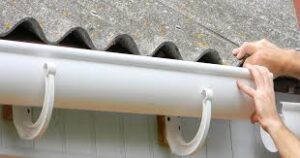
Vinyl is an economical and lightweight choice suitable for smaller homes or budget-conscious projects. Vinyl gutters are easy to cut and install, often making them a popular DIY option. However, they are less durable than metal alternatives and can become brittle in extreme temperatures. While not ideal for high-traffic or high-wind areas, vinyl remains a practical option for homeowners seeking a cost-effective solution.
Zinc Gutters
Zinc combines longevity with a low-maintenance profile. Like copper, zinc forms a protective patina that prevents corrosion. It is ideal for those looking for sustainable and long-lasting materials. Zinc gutters tend to be more expensive and require professional installation, but they offer decades of reliable service with minimal upkeep.
Factors to Consider for Material Choice
When choosing a material for Gutters installation, consider the following:
-
Climate: Areas with heavy rainfall, snow, or ice require durable, weather-resistant materials like steel or copper.
-
Aesthetic preferences: Metals like copper and zinc offer high-end looks, while aluminum and vinyl provide more affordable versatility.
-
Maintenance requirements: Materials like vinyl require less routine care, whereas metals may need inspections for rust or paint touch-ups.
-
Budget: Costs vary significantly, with vinyl being the cheapest, aluminum mid-range, and copper or zinc at the premium end.
Seamless vs. Sectional Systems
Seamless gutters, often fabricated on-site, provide a clean appearance and reduce the risk of leaks. Many professional contractors, including Homze, specialize in seamless systems, ensuring a precise fit and long-term reliability. For custom solutions, seamless systems work best with metals like aluminum, copper, or steel.
Sustainability and Longevity
Choosing long-lasting materials can reduce replacement frequency and environmental impact. Metals like copper and aluminum are highly recyclable, contributing to sustainable home improvement practices. Modern home construction increasingly emphasizes sustainable water management, including strategies for stormwater and efficient drainage.
Final Thoughts
The best material for Gutters installation balances durability, aesthetics, and budget. Aluminum remains the most popular choice for general use, while copper, steel, and zinc appeal to homeowners seeking longevity and premium finishes. For guidance tailored to your home’s design and local climate, professional installation ensures proper slope, secure fastening, and optimal water management. Considering the long-term protection of your property, selecting the right gutter material is an investment in both functionality and beauty. Advanced drainage planning is increasingly important in urban design and flood prevention, highlighting the value of high-quality exterior systems.