

EV battery charging
What factors affect EV battery charging speed? As electric vehicles become more widely adopted around the world, this question is increasingly important for drivers looking to optimize convenience, reduce charging time, and better understand how different conditions impact performance. The charging speed of an EV battery is not determined by a single element; instead, it depends on a combination of factors involving the vehicle’s internal design, the type of charging station, environmental conditions, and the state of the battery itself. With the rapid expansion of charging infrastructure and continuous advancements in clean transportation technology, understanding these influences helps drivers manage their charging routine more efficiently and ensures long-term EV battery health.
One of the primary factors affecting EV battery charging speed is the type of charger being used. Charging levels vary significantly in power delivery, ranging from Level 1 home outlets that provide the slowest charge, Level 2 systems commonly found in public locations and households with dedicated equipment, and DC fast chargers capable of delivering rapid energy transfer. Level 1 chargers may take 24 to 48 hours for a full charge, while Level 2 options often require only a few hours depending on battery size. DC fast charging, often rated from 50 kW to more than 350 kW in ultra-fast networks, can replenish a large portion of an EV battery in as little as 20 to 40 minutes. However, not all vehicles can accept the same maximum charge rate, meaning the car’s onboard charging hardware also determines the actual speed achieved during a charging session.
Temperature plays a critical role in how quickly an EV battery can charge. Batteries operate most efficiently in moderate climates, typically around 20–25°C (68–77°F). Extremely cold temperatures slow down the chemical reaction inside the battery cells, causing slower charge acceptance, while excessive heat can lead to thermal stress that forces the system to reduce input power to protect battery health. That is why drivers in winter climates often notice longer charging times, especially when starting with a cold-soaked battery. Many modern electric vehicles include advanced thermal management systems that heat or cool the EV battery during charging to maintain optimal conditions, improving reliability across diverse environments.
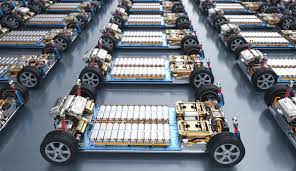
What factors affect EV battery charging speed?
Another influential factor in EV battery charging speed is the battery’s state of charge. Charging is generally faster when the battery is low and gradually slows down as it approaches full capacity. This tapering effect is intentional and designed to protect the battery from internal stress caused by rapidly filling the final percentage of capacity. For example, an EV may charge from 10% to 60% quickly but take significantly longer from 80% to 100%. This is why fast-charging networks often encourage drivers to unplug once they have reached enough range to continue their journey instead of waiting for a full charge. This charging curve is a crucial aspect of lithium-ion technology, balancing speed with long-term EV battery durability.
Charger availability and grid power capabilities also influence real-world charging speeds. During peak demand periods, especially in busy charging hubs, power output may be shared among multiple vehicles, reducing individual charging rates. Additionally, aging electrical infrastructure or limited site power capacity can restrict the maximum charging potential, even if the charger is technically capable of high-speed delivery. As charging providers expand and upgrade their networks, new solutions such as smart load balancing, battery-buffered charging stations, and renewable energy integration are helping stabilize demand and improve overall charging speed consistency.
Driving behavior and battery age are additional contributors that impact how quickly an EV battery can charge. Over time, normal degradation slightly reduces a battery’s ability to accept high-power charging at the same rate as when it was new. Meanwhile, aggressive driving that generates high heat levels before charging may slow charging performance as the vehicle’s thermal management system works to cool the battery before power transfer increases. Manufacturers are continuously improving battery design, incorporating advanced cooling systems and more durable chemistries to maintain faster charging performance across a longer lifespan.
EV Charging Magazine is a dedicated online publication covering the latest news and developments in the electric vehicle charging industry, the broader EV landscape, and cutting-edge battery technology, as well as the clean energy sector. Launched in 2020, the website quickly established itself as a go-to resource for anyone looking to stay up-to-date on the latest advancements in this rapidly evolving field. We aim to provide our readers with in-depth insights and timely updates on the innovations shaping the future of sustainable transportation. As charging technology continues to advance and the world accelerates toward electrification, understanding the factors that affect EV battery charging speed empowers drivers to make informed choices, supports the growth of fast-charging infrastructure, and highlights the remarkable progress transforming modern mobility.


