

federal termination pay disputes resolved
Disputes over termination pay can create significant challenges for both employees and employers, particularly in federally regulated workplaces. Many workers wonder: How are federal termination pay disputes resolved? Understanding the process and the protections in place under the law is crucial to ensuring that employees receive what they are owed and that employers meet their obligations. Federal termination pay entitlements serve as the foundation for resolving these disputes and provide clear guidelines for the minimum compensation employees should receive when their employment is terminated without cause.
Federal termination pay entitlements guarantee that employees receive compensation equivalent to their notice period or pay in lieu of notice when their employment ends. Disputes often arise when there is disagreement over whether the employee was entitled to termination pay, how it should be calculated, or whether certain components of their compensation, such as bonuses or allowances, should be included. These conflicts can occur at any stage of employment termination and may involve misunderstandings, miscommunications, or differing interpretations of the law or employment contract.
The resolution of federal termination pay disputes usually begins with informal attempts to address the issue directly between the employer and employee. Many employers have internal HR procedures or grievance policies that allow employees to raise concerns about their pay. By providing documentation such as employment contracts, pay stubs, and termination notices, both parties can clarify expectations and potentially reach a resolution without involving external authorities. Even in these informal settings, the framework of Federal termination pay entitlements serves as a benchmark to ensure employees are treated fairly and that statutory minimums are met.
If disputes cannot be resolved internally, employees have the option to escalate the matter to federal labor authorities. In Canada, for example, employees covered under federally regulated industries can file a claim with the Labour Program of Employment and Social Development Canada (ESDC). Investigators review the claim, examine payroll records, and assess whether the employer complied with Federal termination pay entitlements. During this process, both parties may provide evidence, and the authorities can offer guidance or mediation to reach a fair resolution. This approach ensures that disputes are handled systematically and that employees’ legal rights are upheld.
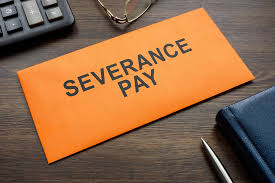
How are federal termination pay disputes resolved?
In some cases, disputes may require formal legal proceedings if the matter cannot be resolved through mediation or administrative processes. Employees can bring a civil claim against the employer to recover unpaid termination pay, referencing Federal termination pay entitlements as the legal basis for their claim. Courts consider employment contracts, statutory requirements, and evidence of payment to determine whether the employer met their obligations. Legal action can result in the employee receiving owed compensation, interest, and, in some instances, additional damages for wrongful termination.
Preventing federal termination pay disputes is often the best approach. Employers can reduce the likelihood of conflicts by maintaining accurate payroll records, clearly communicating termination policies, and ensuring that all terminations comply with Federal termination pay entitlements. Employees can protect themselves by understanding their rights and reviewing their employment contracts carefully. Clear agreements and adherence to federal guidelines create a transparent process that minimizes misunderstandings and fosters trust between employers and employees.
In conclusion, the question, How are federal termination pay disputes resolved? highlights a multi-step process involving informal resolution, federal mediation, and, if necessary, legal action. Throughout this process, Federal termination pay entitlements provide the essential framework for determining what employees are owed, ensuring fairness, and holding employers accountable. Understanding these protections and procedures is crucial for both parties to navigate termination pay disputes effectively and maintain compliance with federal labor laws.


