

Electronics Circuit Boards
In electronics circuit boards, flexible printed circuit board (PCB) is an alternative to rigid substrates like FR-4 and allows components to be attached to a pliable material. The flexibility of flex PCBs makes them more versatile in terms of size, shape and connectivity, and also reduces the weight of the finished product. However, if not designed properly, flex PCBs can be damaged by repeated bending. Fortunately, by adhering to manufacturer guidelines and industry standards, the reliability and durability of flex PCBs can be maintained.
A key factor that influences the degree to which a electronics circuit boards can be bent is the base material used. Polyimide films are commonly used as the base material for flex PCBs because of their superior mechanical properties, including flexibility, thermal stability, moisture resistance and chemical tolerance. The thickness of a flex PCB and the design of its conductive traces are also important factors in determining its bending capabilities. Thicker flex circuits require more overforming to bend to the desired radius and angle, which can increase the stress on the traces and cause them to fail.
If the flex circuit is able to withstand the initial bending without damage, it will likely survive subsequent bending, as long as it is not subjected to a tight radius or a small multiple of its substrate thickness. A flex circuit with a tight radius will kink sharply, which can damage the circuit by concentrating stresses at the corners of the bend. A tight radius can also result in premature work hardening of the copper, causing the trace to crack or break, and may even create shorted connections or open circuits.
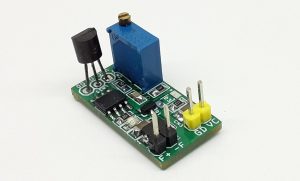
Can Electronics Circuit Boards Be Bent Repeately Without Damage?
Another important factor in ensuring the integrity of a flex circuit is proper component placement. This includes minimizing the distance between adjacent components and avoiding overcrowding. Strategically mounting components can minimize stress concentrations, allowing the traces and insulation to withstand the bending forces without failure.
In addition, it is important to ensure that the flex PCB can withstand a range of temperature extremes and moisture conditions, which will help to limit its exposure to potential failure modes. Thorough research of available materials and consultation with experts can help determine the best flex PCB construction for your application.
Flex PCBs are an extremely useful innovation in the electronic industry, allowing for greater flexibility and versatility in electronics design and assembly. By following manufacturer guidelines and industry standards, flex PCBs can be safely bent for many thousands of cycles with minimal damage. However, if a flex circuit is subjected to excessive bending or a tight radius, it will eventually fail, potentially leaving the device inoperable or unusable. By avoiding these common mistakes, flex PCBs can continue to revolutionize the way we use electronics.


