Rigid Flex PCB Manufacturers Be Mass-Produced Cost-Effectively
Rigid flex PCBs are ideal for applications that require a high level of reliability, durability and flexibility. These circuit boards are commonly used in medical imaging equipment, military missile guidance systems, cameras and video cameras, wearable electronics and vehicle infotainment systems. They can also be used in industrial robotics and aircraft navigation systems.
However, due to the increased complexity and materials required, rigid flex pcb manufacturers are generally seven times more expensive than their hard-board counterparts. Fortunately, it is possible to reduce these costs by implementing cost-saving measures. These can include board thickness, material type, layer count, technology and blind and buried vias. Additionally, choosing a PCB manufacturer that has full factory ownership guarantees shorter lead times and reduced production costs.
One of the main cost factors with rigid flex pcb manufacturers is the copper foil layers. These are usually plated on both sides of the board. This is important, as it helps to improve signal quality and provides additional structural support. Rigid flex boards can also use thicker copper than traditional PCBs, which may increase their price. However, these extra layers can be essential in ensuring that the flex circuits function properly.
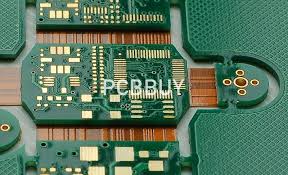
Can Rigid Flex PCB Manufacturers Be Mass-Produced Cost-Effectively?
Another major cost driver is the rigid flex PCB manufacturing process itself. It requires a specific set of tools and techniques that are not standard in hard-board fabrication. This includes using no flow prepregs, which prevent the epoxy resin from flowing onto the flexible circuit sections. It is also common for these boards to use a polyimide base film, which is generally more expensive than other types of flexible laminates. This is necessary because flex circuits need to be able to withstand a large range of temperature and humidity conditions.
Other factors that can drive up the cost of rigid flex pcbs include the thickness and color of the coverlay layer. The coverlay acts as a solder mask for the flex circuits and is often photo-imageable. However, it can be difficult to achieve a precise fit without the help of advanced design software.
It is also possible to cut down on the number of layers in a rigid flex circuit by utilizing technology such as etching, routing and drilling, which can reduce overall fabrication time. This can lower the production cost and make rigid flex circuits more competitive with hard-board alternatives.
The best way to ensure that you can get the most cost-effective results when working with a rigid flex pcb manufacturer is to work with the fabricator early on in the design phase. This will allow the fabricator to evaluate all available options and provide the best fabrication method for the end application. This will also help to ensure that the final product meets all of the design requirements. In addition, this will minimize the need for costly design changes in the future. This is why it is so important to find a reliable PCB supplier that can offer you the best value. They can also help you to prepare your production documents, which will save you time and money.