flex circuits used in medical devices
The medical field has always demanded technological advancements that improve patient care, diagnostic accuracy, and device reliability. Flexible circuits, or flex circuits, have become an integral part of medical devices, offering unique benefits such as lightweight designs, compactness, and enhanced reliability. These characteristics make flex circuits ideal for applications where precision, durability, and adaptability are paramount.
One of the most critical uses of flex circuits in medical devices is in implantable technologies. Devices such as pacemakers, defibrillators, and neurostimulators rely on flexible circuits to deliver life-saving functions. Flex circuits are well-suited for these applications due to their biocompatible materials, which can safely interact with human tissue. Additionally, their thin, lightweight design allows these circuits to fit within the small, compact structures of implantable devices, minimizing patient discomfort while ensuring reliable operation over long periods.
Wearable medical devices are another area where flex circuit play a pivotal role. Devices like fitness trackers, heart rate monitors, and continuous glucose monitors use flex circuits to achieve their lightweight and ergonomic designs. These devices require circuitry that can conform to the human body and withstand constant motion without compromising performance. Flex circuits not only provide the necessary flexibility but also enhance the device’s durability, ensuring consistent operation even under dynamic conditions.
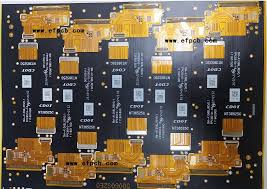
How are flex circuits used in medical devices?
Diagnostic and imaging equipment also benefit from the use of flex circuits. Advanced imaging systems such as ultrasound machines, CT scanners, and MRI machines require high-precision electronics to process complex data accurately. Flex circuits enable compact and efficient layouts that can fit into the limited spaces of these sophisticated devices. Moreover, their ability to handle high-speed signals ensures that data from sensors and imaging components are transmitted without loss or delay, enhancing the overall diagnostic accuracy.
In surgical tools, the adaptability and reliability of flex circuits are crucial. Modern surgical instruments, including endoscopes and robotic-assisted surgery systems, incorporate flex circuits to enable advanced functionalities in compact designs. For instance, flex circuits allow endoscopes to bend and maneuver through narrow passages while maintaining consistent electrical connections for cameras and lighting systems. Similarly, robotic surgical systems use flex circuits in their arms and instruments to facilitate precise, minimally invasive procedures.
Disposable medical devices represent another significant application of flex circuits. Devices such as diagnostic patches, single-use biosensors, and drug delivery systems require cost-effective and reliable circuitry. Flex circuits meet these requirements by offering low-cost manufacturing processes and the ability to integrate multiple functionalities into a single, compact design. Their flexibility and durability ensure that even single-use devices perform optimally during their intended lifespan.
Flex circuits also contribute to advancements in telemedicine and remote patient monitoring. Devices designed for home use, such as portable ECG monitors and blood pressure cuffs, rely on flex circuits for their compact and user-friendly designs. These circuits enable seamless data transmission from the device to healthcare providers, facilitating real-time monitoring and diagnosis without requiring frequent hospital visits.
In conclusion, flex circuits have become indispensable in the medical device industry due to their unique ability to provide reliable, high-performance solutions in compact and flexible designs. From implantable devices and wearables to diagnostic tools and surgical instruments, flex circuits enhance the functionality, durability, and comfort of medical technologies. As healthcare continues to advance, the role of flex circuits will only expand, driving innovations that improve patient outcomes and streamline medical procedures.