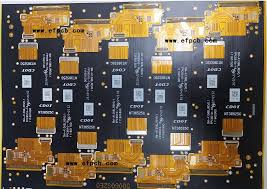
PCB fabrication assembly
In today’s fast-paced electronics industry, the speed of PCB fabrication assembly is crucial for maintaining competitive advantage. Faster turnaround times not only enable companies to meet customer demands more efficiently but also reduce manufacturing costs and improve overall productivity. Several strategies can be employed to improve the speed of PCB fabrication assembly, ranging from optimizing the design process to utilizing advanced automation technologies. In this article, we will explore key methods that companies can adopt to enhance the speed of their PCB fabrication assembly without compromising on quality.
One of the first ways to improve pcb fabrication assembly speed is by optimizing the design phase. Efficient design plays a vital role in the speed of the entire process. By utilizing advanced Electronic Design Automation (EDA) software, engineers can create and test designs more quickly and accurately. Tools such as Altium Designer, Autodesk Eagle, and KiCad allow for faster design iterations and automated checking for errors or potential issues that could slow down the assembly process. Additionally, by adhering to Design for Manufacturability (DFM) principles during the design phase, designers can minimize potential problems that could arise during the manufacturing or assembly stages, thus reducing the time spent on revisions or rework.
Another significant factor in improving PCB fabrication assembly speed is streamlining the material sourcing and inventory management. The availability and delivery of components are critical to maintaining a smooth assembly process. Companies can speed up PCB fabrication assembly by implementing just-in-time (JIT) inventory systems that ensure materials are delivered precisely when needed, reducing delays caused by shortages or overstock. Furthermore, using automated procurement systems can help speed up the ordering process, ensuring that the necessary components are available without unnecessary downtime. Having an organized inventory system and supplier network helps avoid delays and ensures that the assembly team can proceed without waiting for parts.
How can companies improve PCB fabrication assembly speed?
The use of automated assembly equipment is another key factor in speeding up the PCB fabrication assembly process. By integrating automation into the assembly line, companies can significantly reduce the manual labor required for tasks such as component placement, soldering, and inspection. Surface Mount Technology (SMT) machines, pick-and-place robots, and reflow ovens can be programmed to handle large volumes of PCBs with high precision and speed. These automated systems are capable of performing tasks much faster and more accurately than manual labor, reducing the overall assembly time and minimizing the risk of human error. Additionally, automated optical inspection (AOI) systems can quickly detect defects during the assembly process, allowing for faster identification and correction of problems.
Incorporating rapid prototyping and shortened test cycles into the PCB fabrication assembly process can also contribute to faster turnaround times. Prototyping techniques such as 3D printing and rapid PCB prototyping allow companies to quickly test and iterate on designs before committing to full-scale production. This reduces the time spent on manual adjustments or design modifications. Furthermore, implementing streamlined testing procedures, such as automated electrical testing and functional testing, ensures that each board is checked efficiently without introducing delays. Companies can also employ simulations and analysis during the design phase to predict and mitigate potential issues before the fabrication and assembly stages begin, speeding up the overall process.
Standardization and modularization of PCB designs also play a role in improving speed. By creating standardized design templates and modular PCB layouts, companies can reduce the time needed to design and fabricate new boards. This approach enables the reuse of proven designs and components across multiple projects, eliminating the need to start from scratch each time a new product is developed. Standardization helps streamline the procurement process and ensures that the assembly team is already familiar with the design, reducing the risk of errors and delays.
Lastly, effective communication and collaboration between the design, fabrication, and assembly teams are essential for speeding up the process. Using integrated software solutions that allow all teams to access and update design data in real time can minimize delays caused by miscommunication or incomplete information. By fostering a collaborative environment, companies can quickly address issues and adapt to changes in the project timeline, ensuring that the assembly process remains efficient and on track.
In conclusion, companies can improve PCB fabrication assembly speed by focusing on optimizing the design process, streamlining material sourcing, implementing automation, and enhancing collaboration across teams. By employing strategies such as advanced EDA software, just-in-time inventory systems, automated assembly equipment, rapid prototyping, and standardized designs, companies can significantly reduce assembly time. Ultimately, improving the speed of PCB fabrication assembly leads to faster production cycles, reduced costs, and the ability to meet customer demands more effectively.