flex PCB manufacturers manage inventory
As more electronics are being used for longer periods of time, the need to produce lighter, thinner, and more reliable electronic circuit boards is becoming increasingly important. To meet this need, flexible printed circuit board manufacturers are expanding their production capabilities and developing new technologies to enable a wider range of applications. As a result, it is essential for customers to partner with capable flex PCB manufacturers that are equipped to handle the complexity, quality requirements, and volumes of their products.
Choosing the right flex pcb manufacturer is a critical process for ensuring that your product will be successfully developed and delivered to you on time. There are many factors to consider, including the manufacturer’s experience and expertise, production capabilities, pricing structure, lead times, and customer service. By evaluating each of these aspects, you can ensure that you select the best supplier for your needs.
The process for producing a flex PCB starts with a design that is optimized to minimize waste and reduce the total manufacturing cost. This is accomplished by assessing the layout of the components and routing paths for the traces. A buildup process is then used to deposit the copper layers on the base material substrate. A photoresist coating is then overlaid with the traces to form the circuit board image. This image is then transferred to the production panels with collimated ultraviolet light. The copper layers are then etched to expose the conductive paths and then covered with solder mask to protect them from corrosion.
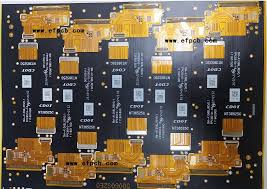
How do flex PCB manufacturers manage inventory?
A flex PCB can be made of single-layer or multilayer constructions. The final thickness of the flex PCB can vary between 12mm and 180mm. A single-layer flex PCB typically costs less to produce than a double-layer one. Multilayer flex circuits are typically used in larger, more complex devices.
Flex PCBs can be designed for static or dynamic applications. Static flex PCBs are typically found in consumer electronics, such as smartphones and tablets, that do not experience much bending or movement during operation. Dynamic flex circuits, on the other hand, are used in wearables, automotive systems, printers, and robotics. By removing the need for traditional connectors, flex PCBs can increase device reliability and longevity by reducing the number of potential points of failure.
There are several limitations that limit the practicality of flex PCBs, however. These include limited layer and density (typically 1-6 layers only), reduced current ratings due to copper thickness, and challenges with assembly. These limitations can be overcome through careful design and testing, which includes thermal cycling, mechanical stress, and visual inspection.
By addressing these issues early in the manufacturing process, flex and rigid-flex circuits can be produced reliably for their intended application. Thorough testing and inspection also helps identify and prevent quality problems before they are deployed in the field, which can ultimately save customers both time and money. By partnering with a capable and committed flex PCB manufacturer, you can ensure that your device will work reliably for years to come.