optimize power distribution in contract electronic assemblys
Optimizing power distribution in contract electronic assemblies is essential for ensuring reliable performance, preventing voltage drops, and minimizing power losses. Effective power distribution design involves careful planning, component selection, layout optimization, and adherence to best practices. Whether it’s in consumer electronics, automotive systems, industrial machinery, or aerospace applications, efficient power distribution is crucial for meeting performance requirements and maximizing energy efficiency.
One of the key considerations in optimizing power distribution is selecting the right power supply and distribution architecture for the application’s requirements. This involves determining the voltage and current levels needed to power various components and subsystems within the contract electronic assembly. Choosing an appropriate power supply topology, such as linear, switching, or hybrid, based on factors like efficiency, size, cost, and noise, is crucial for achieving optimal power distribution.
Furthermore, careful component selection plays a critical role in optimizing power distribution. Choosing components with the appropriate voltage and current ratings, as well as low resistance and capacitance values, helps to minimize voltage drops and power losses along the distribution network. High-quality connectors, cables, and traces with low resistance and impedance are also essential for efficient power transmission and minimizing losses.
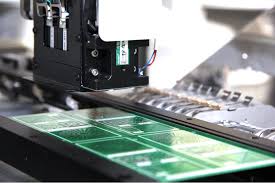
How do you optimize power distribution in contract electronic assemblys?
Layout optimization is another key aspect of optimizing power distribution in electronic assemblies. Proper component placement, routing, and grounding are crucial for minimizing electromagnetic interference (EMI), voltage drops, and signal degradation. Separating high-current and high-frequency components from sensitive analog or digital circuits, minimizing loop areas, and using ground planes or shielding techniques help to maintain signal integrity and prevent performance issues.
Moreover, implementing effective power management and regulation techniques is essential for optimizing power distribution. This may include using voltage regulators, DC-DC converters, or power management ICs to regulate voltage levels, improve efficiency, and ensure stable power delivery to critical components. Additionally, incorporating power monitoring and protection features, such as overvoltage protection, overcurrent protection, and thermal shutdown, helps to safeguard the electronic assembly from potential damage or malfunction.
Thermal management is another important consideration in optimizing power distribution. Efficient power distribution generates heat, which can affect component performance and reliability if not properly managed. Incorporating thermal vias, heat sinks, thermal pads, and fans into the design helps to dissipate heat away from sensitive components and maintain optimal operating temperatures. Conducting thermal analysis and simulation during the design phase helps to identify potential hot spots and optimize thermal management strategies.
Furthermore, implementing advanced power distribution technologies, such as power over Ethernet (PoE), wireless charging, and energy harvesting, can help to optimize power distribution in certain applications. PoE enables the simultaneous transmission of power and data over a single Ethernet cable, simplifying installation and reducing the need for separate power supplies. Wireless charging eliminates the need for physical connectors or cables, providing greater flexibility and convenience in powering electronic devices. Energy harvesting technologies, such as solar panels or piezoelectric generators, enable the harvesting of ambient energy sources to power low-power electronic devices in remote or energy-constrained environments.
In conclusion, optimizing power distribution in contract electronic assemblies requires a holistic approach encompassing careful planning, component selection, layout optimization, power management, thermal management, and the integration of advanced technologies. By following best practices and leveraging the latest advancements in power distribution, manufacturers can ensure efficient power delivery, maximize energy efficiency, and meet the performance requirements of diverse electronic applications.