solder mask for a printed circuit board assembly services
Selecting the appropriate solder mask is a critical consideration in the printed circuit board (PCB) assembly process, as it plays a vital role in protecting the PCB surface, defining solderable areas, and ensuring the reliability of electronic assemblies. Solder mask, also known as solder resist, is a protective layer applied to the surface of the PCB to prevent solder bridges, short circuits, and other soldering defects during assembly. PCB assembly services must carefully evaluate various factors to determine the most suitable solder mask material and application method for each project.
One of the primary considerations when choosing a solder mask for PCB assembly services is the material composition. Solder masks are typically made from epoxy-based or polyimide-based materials, each offering unique properties and characteristics. Epoxy-based solder masks are commonly used for most PCB applications due to their excellent adhesion, chemical resistance, and compatibility with standard PCB manufacturing processes. Polyimide-based solder masks, on the other hand, are preferred for high-temperature applications or flexible PCBs, as they offer superior heat resistance and flexibility compared to epoxy-based materials.
Moreover, printed circuit board assembly services must consider the color of the solder mask, as it can impact the manufacturing process and final appearance of the PCB assembly. Green solder mask is the most common choice for PCBs, as it provides good contrast for component placement and solder inspection, as well as excellent UV resistance and thermal stability. However, other colors such as red, blue, black, and white are also available and may be chosen based on aesthetic preferences or specific application requirements. PCB assembly services work closely with clients to select the appropriate solder mask color that aligns with their branding, design specifications, and functional requirements.
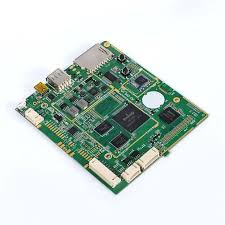
The appropriate solder mask for a printed circuit board assembly services?
Additionally, the thickness of the solder mask is an important factor to consider in PCB assembly services. The solder mask thickness affects the overall performance and reliability of the PCB assembly, as well as the cost and manufacturability of the process. Thicker solder masks offer greater protection against solder bridges and electrical shorts but may increase the risk of solder mask voids and require longer exposure times during UV curing. Conversely, thinner solder masks provide better resolution for fine-pitch components and may reduce manufacturing costs but offer less protection against soldering defects. PCB assembly services carefully balance these trade-offs to determine the optimal solder mask thickness for each application.
Furthermore, PCB assembly services must consider the application method for the solder mask, which can vary depending on the complexity of the PCB design and the desired quality standards. The two primary methods for applying solder mask are screen printing and liquid photoimageable (LPI) coating. Screen printing is a traditional method that involves using a stencil to deposit solder mask ink onto the PCB surface, followed by UV curing to harden the mask. LPI coating, on the other hand, involves applying liquid solder mask directly onto the PCB surface, exposing it to UV light through a photomask to define the desired pattern, and then developing and curing the mask. PCB assembly services evaluate the pros and cons of each application method based on factors such as accuracy, resolution, repeatability, and cost-effectiveness.
In conclusion, selecting the appropriate solder mask is a critical aspect of printed circuit board assembly services, as it directly impacts the reliability, performance, and appearance of electronic assemblies. By carefully considering factors such as material composition, color, thickness, and application method, PCB assembly services can ensure that the solder mask meets the functional requirements, quality standards, and aesthetic preferences of their clients. With the right solder mask in place, PCB assembly services can produce high-quality electronic assemblies that meet the needs and expectations of diverse industries and applications.