different types of flexible circuit boards
Flexible circuit boards are essential components in modern electronics, offering versatility and adaptability in various applications. They come in several types, each designed to meet specific needs based on the complexity of the circuit, the required flexibility, and the operating environment. Understanding the different types of flexible circuit boards can help manufacturers and designers choose the right solution for their projects, ensuring optimal performance and reliability.
One of the most common types of flexible circuit board is the single-sided flexible circuit. This design features a single layer of conductive material, usually copper, applied to one side of a flexible substrate such as polyimide or polyester. Single-sided circuits are relatively simple and cost-effective, making them ideal for applications where space is limited and circuit complexity is low. These circuits can be used in various devices, including LED displays, medical equipment, and simple consumer electronics. Despite their simplicity, single-sided flexible circuits can still deliver effective performance in many applications.
Another type is the double-sided flexible circuit, which features conductive layers on both sides of the flexible substrate. This design allows for increased circuit density, enabling more complex interconnections and functions than single-sided circuits. Double-sided flexible circuits are often used in applications requiring more sophisticated circuitry, such as smartphones, tablets, and advanced medical devices. To connect the layers, manufacturers typically use plated through holes (PTH) or blind and buried vias, which enhance the circuit’s overall functionality. The ability to place components on both sides of the board significantly increases the available space for circuit design, making these flexible circuits popular in compact electronic devices.
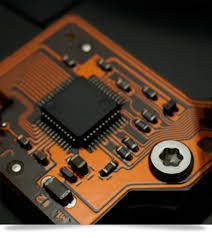
What are the different types of flexible circuit boards?
Multilayer flexible circuits take the design complexity a step further, incorporating multiple layers of conductive material and insulating substrates. These circuits can have three, four, or even more layers, allowing for intricate designs with a high density of components. Multilayer flexible circuits are particularly advantageous in applications where space is at a premium and performance requirements are stringent, such as in aerospace, automotive electronics, and high-performance medical devices. The increased layer count enhances signal integrity and reduces electromagnetic interference, making multilayer circuits ideal for high-speed data transmission applications.
In addition to these conventional types, there are specialized flexible circuit designs, such as rigid-flex circuits. Rigid-flex circuits combine the best features of rigid and flexible circuits, incorporating both rigid sections and flexible areas within a single assembly. This design allows for greater design freedom and flexibility in applications requiring both rigid mounting and flexible interconnections. Rigid-flex circuits are commonly used in applications where space is limited but where traditional rigid boards cannot be employed, such as in aerospace and military electronics.
Another notable type is the high-density interconnect (HDI) flexible circuit board, which utilizes advanced manufacturing techniques to create finer traces and smaller vias, facilitating the integration of numerous components into a compact design. HDI flexible circuits are essential in applications where high performance and miniaturization are crucial, such as in smartphones, tablets, and other portable devices. The use of advanced materials and manufacturing processes enables these circuits to achieve superior performance characteristics while maintaining a lightweight and flexible form factor.